
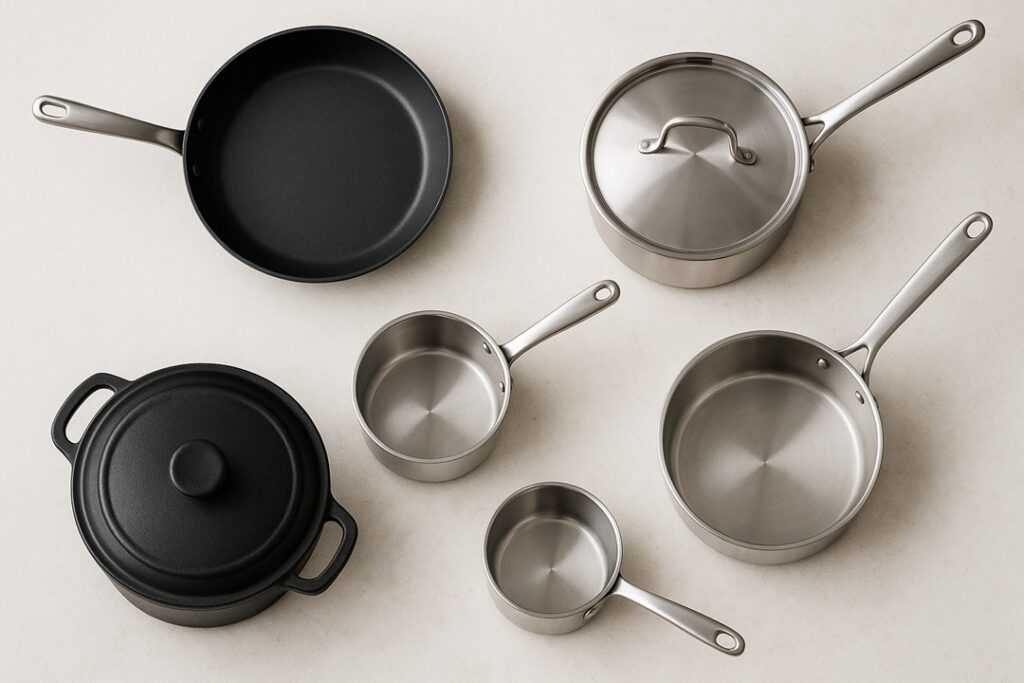
Upgrade your kitchen with long-lasting, high-performance cookware featuring innovative nonstick designs. Perfect for everyday cooking and pro results.
Ceramic cookware is one of the best choices for modern kitchens. It’s safe, stylish, and easy to cook with. Many people love it because it heats evenly and doesn’t contain harmful chemicals like some nonstick pans. But even the best ceramic pans can lose their shine if you don’t clean them the right way.
Cleaning ceramic cookware may look simple, but there are a few common mistakes people make. These small errors can damage the coating, cause stains, or make food stick over time. The good news? You can easily avoid them once you know what they are.
In this article, we’ll explore the top 7 mistakes to avoid when cleaning ceramic cookware and how to keep your pans looking brand new for years.
1. Using Harsh Scrubbers or Steel Wool
One of the biggest mistakes in ceramic cookware cleaning is using harsh scrubbers. Many people think that rough sponges or steel wool will remove tough stains faster. In reality, they can scratch the ceramic surface and make it lose its nonstick ability.
Ceramic coatings are smooth and delicate. When scratched, they allow food and oils to stick more easily, which makes cleaning even harder next time. According to Good Housekeeping, using soft cleaning tools is the best way to protect your ceramic cookware’s surface. Are you learn more about Ceramic Cookware for Beginners? Click here
The right way:
- Use a soft sponge or microfiber cloth.
- For stubborn food, soak the pan in warm, soapy water for 15–20 minutes.
- Gently wipe the surface instead of scrubbing hard.
If you treat your cookware gently, it will stay shiny and easy to use for a long time.
2. Using the Wrong Cleaning Products
Another common mistake in ceramic cookware cleaning is using the wrong soap or chemicals. Some people reach for bleach, oven cleaners, or strong degreasers when their pans look dirty. These products can break down the ceramic coating and dull the finish.
Experts from Consumer Reports recommend mild dish soap and warm water as the safest way to clean ceramic pans. Avoid cleaners that contain chlorine, ammonia, or strong acids.
The right way:
- Mix a small amount of gentle dish soap with warm water.
- Wipe the pan using a soft sponge.
- Rinse it well and dry with a clean towel.
If stains remain, make a paste with baking soda and water. Apply it gently with a soft cloth. Baking soda is mild yet effective at removing stains without damaging the ceramic layer.
Read our Kitchen Essentials for Beginners article. where we emphasize selecting tools and cleaning methods that preserve your kitchenware.
3. Cleaning While the Pan Is Still Hot
We’ve all done it—finishing a meal and wanting to wash the pan right away. But this is another big mistake. Cleaning ceramic cookware while it’s still hot can cause serious damage.
When you place a hot pan under cold water, the sudden temperature change can make the ceramic coating crack or warp. This process is called thermal shock. Once cracks form, the pan loses its smooth surface and becomes harder to clean.
According to the Cookware Manufacturers Association, allowing your ceramic pan to cool before washing increases its lifespan by up to 40%.
The right way:
- Let the pan cool completely before washing.
- Once it’s warm or at room temperature, clean it as usual.
- Never pour cold water into a hot pan.
This simple habit can protect your cookware and save you from buying new pans too soon.
4. Ignoring Burnt Food or Stains
It’s easy to leave a dirty pan for later, but burnt food and stains can cause long-term harm. When food residue sits for too long, it hardens and becomes harder to remove. Some people try to scrape it off using knives or metal spoons, which only causes scratches.
To avoid this, clean your ceramic pans as soon as possible after cooking. If you notice burnt spots, don’t panic. You can still remove them safely.
The right way:
- Fill the pan with warm water and a few drops of mild dish soap.
- Let it soak for 30 minutes.
- Use a soft sponge or nylon brush to lift the residue.
- For tough stains, use a bit of baking soda and gently rub in circles.
Experts at The Spruce Eats suggest soaking as the most effective method for cleaning stuck-on food from ceramic cookware. It saves time, effort and helps keep your cookware in good shape.
5. Putting Ceramic Cookware in the Dishwasher
Many brands claim their ceramic cookware is dishwasher-safe. While that may be true, it’s not always the best choice. The high heat, strong detergents, and constant water pressure inside dishwashers can slowly damage the coating over time.
Even Food Network Kitchen chefs recommend handwashing ceramic cookware whenever possible. It helps maintain the coating’s strength and prevents dullness.
The right way:
- Wash by hand using warm, soapy water.
- Dry with a clean towel instead of letting it air dry.
- Store it carefully to prevent scratches from other pots and pans.
A little extra care goes a long way toward keeping your cookware looking beautiful and working perfectly.
Read our Best Kitchen Tools article notes that cleaning and storing gear properly is key to long equipment life.
6. Forgetting to Dry Properly
Drying may seem like a small detail, but it’s one many people skip. Leaving water spots or moisture on ceramic cookware can cause stains or even mold over time. It can also weaken the coating’s shine and texture.
The right way:
- After washing, use a soft towel to dry completely.
- Avoid stacking wet pans together.
- Store in a dry, cool place.
Taking a minute to dry your cookware helps it stay smooth, clean, and ready for your next meal.
7. Storing Cookware the Wrong Way
How you store your ceramic cookware matters just as much as how you clean it. Many people stack their pans without any protection between them. Over time, this causes scratches and chips.
According to Better Homes & Gardens, the safest way to store ceramic cookware is by placing soft cloth or paper towels between each piece.
The right way:
Don’t stack pans directly on top of each other.
- Use soft pads or towels between layers.
- Hang pots and pans if possible to prevent scratches.
Proper storage helps preserve your cookware’s appearance and nonstick surface.
Simple Tips for Long-Lasting Ceramic Cookware
Now that you know what mistakes to avoid, here are a few simple habits that will help your ceramic cookware last even longer:
- Use wooden or silicone utensils instead of metal ones.
- Cook on medium heat; high heat can wear down the coating.
- Always cool before cleaning.
- Avoid dropping or banging the cookware.
These steps are easy to follow and will keep your pans in great condition for years.
Conclusion: Keep Your Ceramic Cookware Shiny and Strong
Ceramic cookware is a great investment for your kitchen. It’s safe, stylish, and makes cooking easier. But it needs a little extra care to stay in perfect shape.
Avoid using harsh scrubbers, strong cleaners, or washing while hot. Don’t let burnt food sit too long, and always handwash when possible. Dry your pans completely, store them carefully, and use gentle tools while cooking.
By avoiding these top mistakes when cleaning ceramic cookware, you can keep your pans looking brand new and performing beautifully.